Why Startups Should Invest in Product Visualisation Early
Explore why startups benefit from investing in product visualisation early, from crowdfunding and investor presentations to building trust and increasing perceived value.

Why Startups Should Invest in Product Visualisation Early
Many startups leave product visualisation until the very end.
That is usually a mistake.
Founders often spend months focused on engineering, sourcing, prototypes, tooling, packaging, and manufacturing while treating visuals as an afterthought.
But customers do not see your CAD files. They see your presentation.
And presentation heavily influences whether people trust the product.
First Impressions Decide Attention
Most people make assumptions about products within seconds.
Before reading specifications or understanding functionality, they judge:
Quality
Professionalism
Brand value
Reliability
Innovation
Almost entirely from visuals.
This is especially important for startups because unknown brands do not automatically have trust.
Good visualisation helps close that credibility gap.
Investors Judge Presentation Too
Investors are not only evaluating the product itself.
They are evaluating whether the business appears commercially capable.
Strong visuals make presentations feel:
More professional
More prepared
More premium
More commercially viable
Poor visuals create the opposite effect.
Even strong ideas can look weak if the presentation feels unfinished.
Crowdfunding Campaigns Depend on Visuals
Kickstarter and Indiegogo are highly visual platforms.
Products are competing against hundreds of other launches for attention.
If the visuals do not immediately stand out, people scroll past.
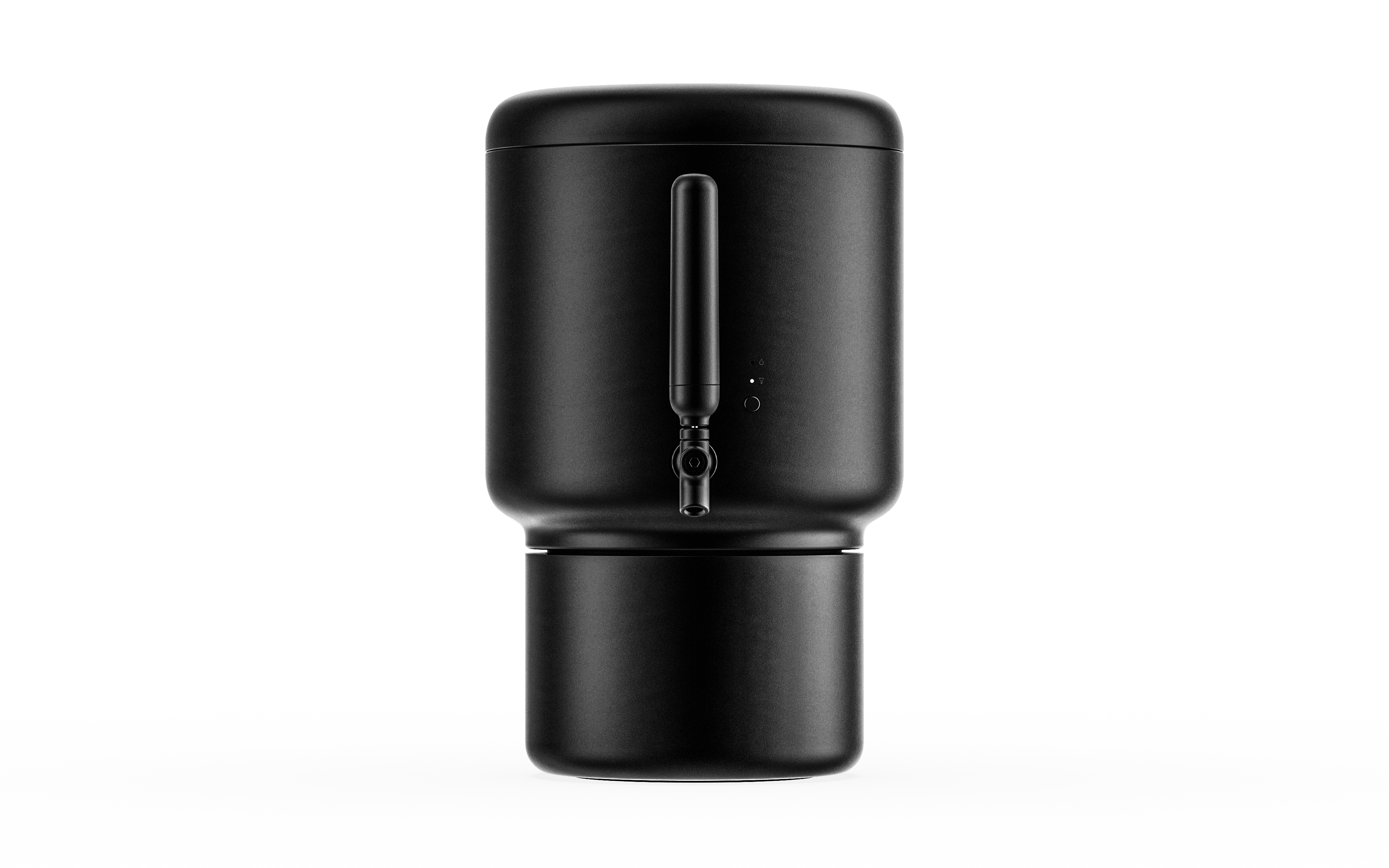
This is why many successful crowdfunding campaigns invest heavily in rendering before launch.
Good CGI allows startups to:
Create launch material early
Show products before manufacturing
Explain functionality clearly
Build anticipation before stock exists
Without professional visuals, even excellent products can struggle.
Visuals Help Clarify the Product Internally
There is another overlooked advantage.
High-quality renders help founders themselves.
Seeing the product presented properly often reveals:
Weak design details
Material issues
Proportion problems
Branding inconsistencies
Areas lacking refinement
Rendering becomes part of the development process.
Many design issues become obvious once the product is visualised realistically.
Startups Need to Compete With Established Brands
Consumers compare everything.
Your product is not judged only against other startups.
It is judged against global brands with massive marketing budgets.
That means presentation standards are extremely high.
Modern consumers are used to seeing polished visuals from companies like Apple, Dyson, Sony, and Samsung.
Even if your product is genuinely innovative, weak presentation reduces perceived legitimacy.
Cheap Visuals Usually Cost More Long-Term
Trying to save money with low-quality renders often backfires.
Poor visuals can:
Hurt conversions
Reduce trust
Damage perceived value
Make products feel unfinished
Weaken marketing campaigns
Then businesses end up paying twice:
Once for cheap visuals
Again for replacements later
Good visualisation should support growth, not become something that needs fixing immediately.
Visualisation Is Part of Product Development
A lot of startups still think rendering is “marketing fluff”.
It is not.
Professional visualisation sits between:
Design
Engineering
Branding
Marketing
Sales
It connects all of them.
The businesses that understand this early usually build stronger launches.
Because ultimately, products do not sell themselves.
People buy what they understand, trust, and emotionally connect with.
And visuals are one of the fastest ways to create that connection.