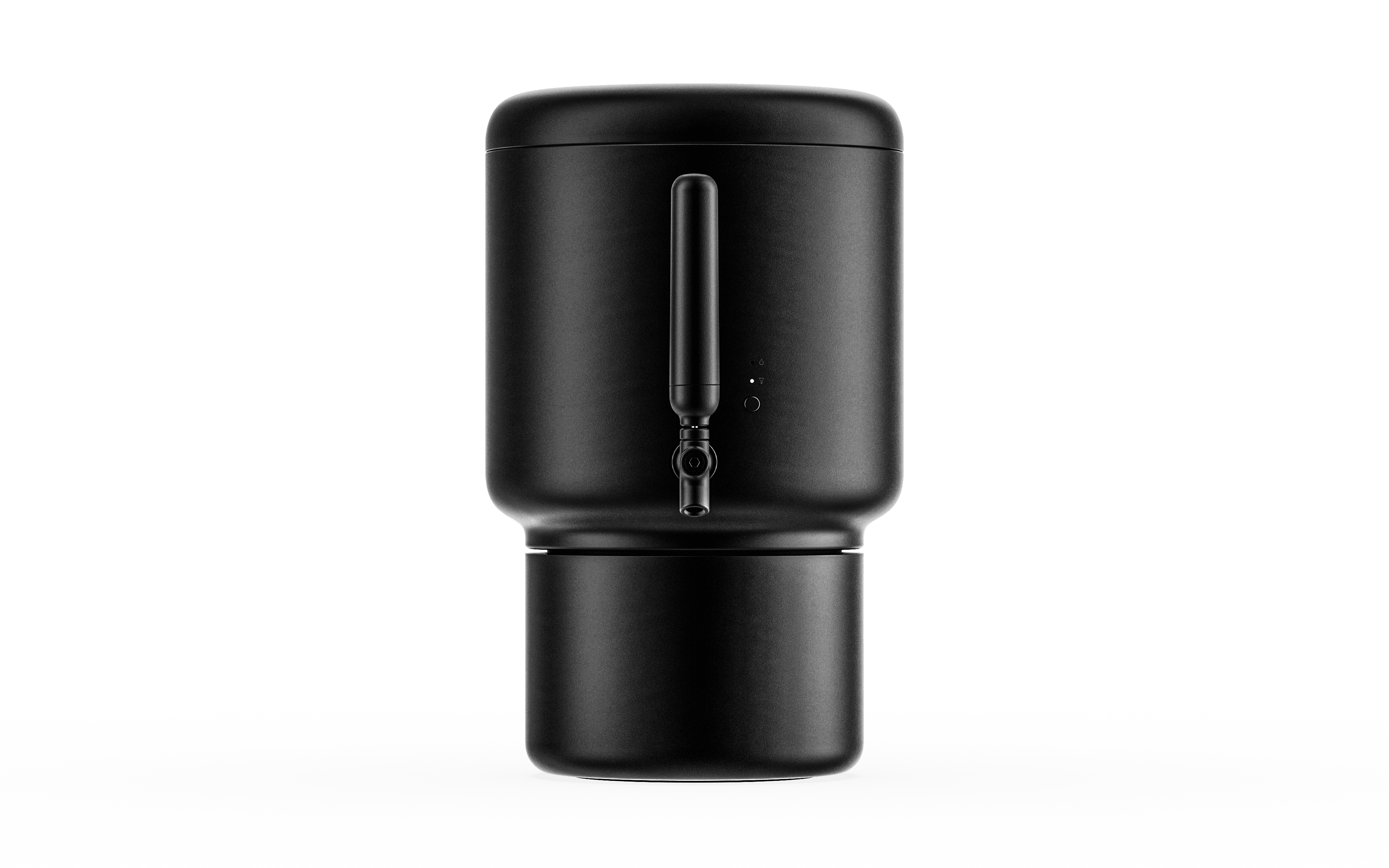
Why Brands Are Replacing Product Photography with CGI
An in-depth look at why modern brands are shifting from traditional product photography to CGI for greater flexibility, faster marketing, lower long-term costs, and premium visual control.
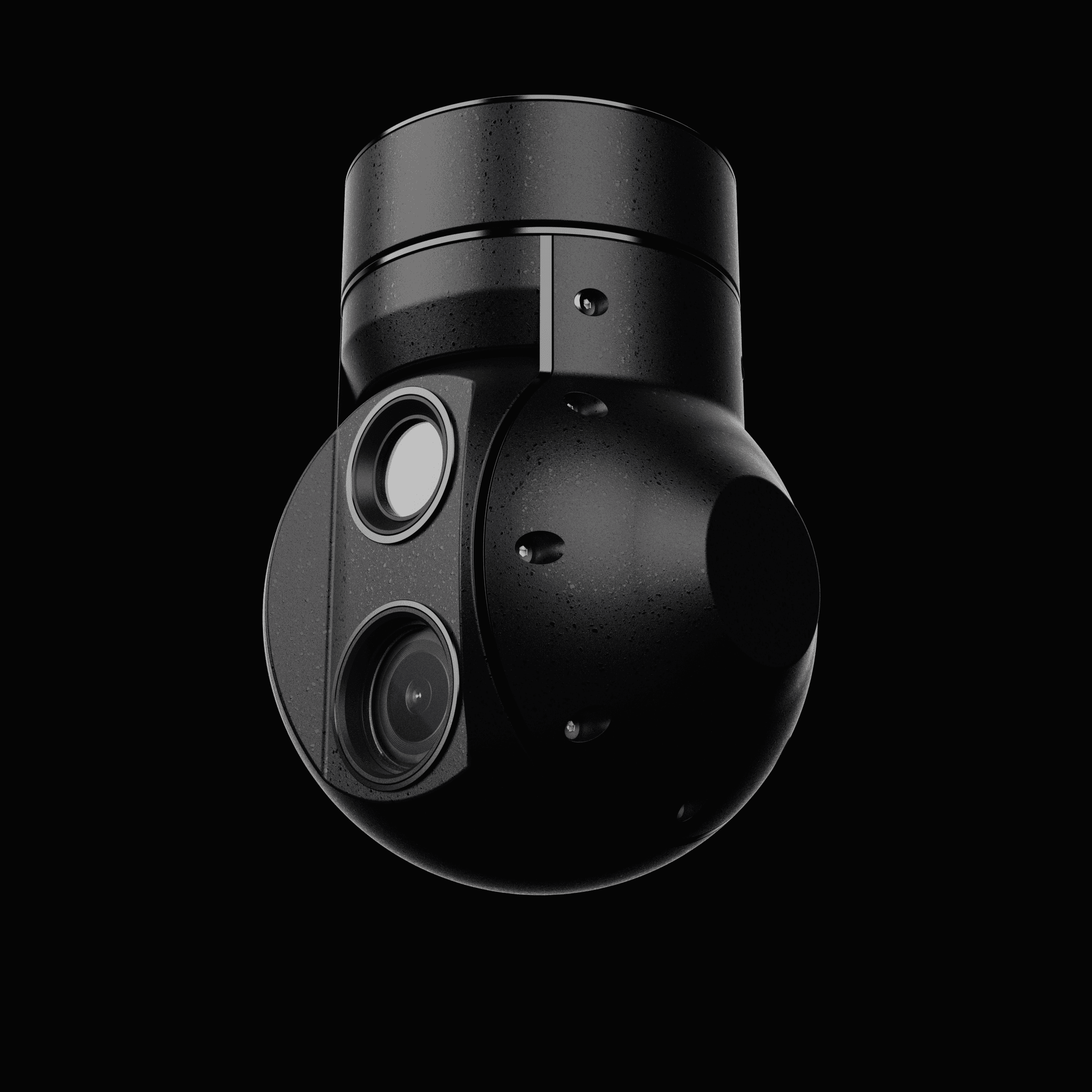
From consumer electronics and homeware to medical devices and industrial products, CGI is changing the way businesses create marketing assets. Rather than waiting for physical prototypes, organising photoshoots and repeatedly producing new imagery for every product variation, brands can now create photorealistic visuals entirely in a digital environment.
Greater Creative Freedom
Unlike traditional photography, CGI gives complete control over every aspect of an image. Lighting, camera angles, environments and materials can all be adjusted without the limitations of a physical studio.
This allows marketing teams to create consistent imagery across websites, advertising campaigns, packaging and social media while maintaining complete control over the final result.
Faster Product Launches
One of the biggest advantages of CGI is speed.
Marketing visuals can often be created directly from CAD data before manufacturing is complete, allowing brands to prepare websites, advertising campaigns and promotional material well in advance of production.
By the time the first products leave the factory, the marketing assets are already ready to use.
Lower Long-Term Costs
Although high-quality CGI requires an initial investment, it often becomes more cost-effective over the lifetime of a product.
Traditional photography typically involves studio hire, photographers, lighting equipment, sample products, shipping and reshoots whenever a product changes. CGI eliminates many of these recurring costs, making it easy to update colours, materials, packaging or product details without organising another photoshoot.
For brands with multiple product variants, the savings can be significant.
Consistency Across Every Image
Maintaining a consistent visual style is essential for building a premium brand.
Because every CGI image is created within the same digital environment, lighting, composition and materials remain consistent across entire product ranges. Whether launching one product or fifty, brands can produce a cohesive visual identity that strengthens recognition and reinforces quality.
Visualising What Photography Cannot
Many products contain engineering, technology or internal features that are impossible to communicate through conventional photography.
CGI makes it possible to create exploded views, cutaways, transparent components and animated sequences that clearly explain how a product works. These visuals are particularly valuable for complex products where customer understanding plays an important role in purchasing decisions.
Built for Modern Marketing
Today's marketing requires content across a wide range of platforms, from websites and online stores to social media, advertising, presentations and video.
With CGI, a single digital product model can generate an extensive library of assets in multiple formats and aspect ratios without the need for additional photography. This makes it easier to keep campaigns consistent while responding quickly to new marketing opportunities.
The Future of Product Visualisation
Product photography will always have its place, particularly for lifestyle imagery and products with strong human interaction. However, for many brands, CGI has become an essential part of the product development and marketing process.
As rendering technology continues to improve, the distinction between photography and CGI is becoming increasingly difficult to recognise. Brands are adopting CGI not simply because it looks impressive, but because it offers greater flexibility, shorter production timelines and a more efficient way to create high-quality marketing content.
For businesses looking to launch products faster, communicate complex features more clearly and maintain a premium visual identity, CGI is no longer just an alternative to photography—it is rapidly becoming the preferred choice.